
Modern Foreign Languages
Teaching and learning in Modern Foreign Languages (MFL) is well embedded and has been for a sustained period of time. There has always been a commitment to high quality teaching of foreign languages at St Therese. Our chosen language is Spanish.
At St Therese , we are committed to ensuring our foreign languages teaching provides the foundation for learning further languages, as well as the means to access international opportunities for study and work later in life. The teaching of Spanish in EYFS, KS1 and KS2 provides an appropriate balance of speaking, listening, reading and writing and lays the foundations for further foreign language teaching at KS3.
A high-quality language education should foster children’s curiosity and deepen their understanding of the world. At our school, we are committed to ensuring that teaching enables pupils to express their ideas and thoughts in another language and to understand and respond to its speakers, both in speech and in writing. We recognise that competence in another language enables children to interpret, create and exchange meaning within and across cultures. We also embrace the opportunity to celebrate how some children are already bilingual as they have English as a second language.
In order to prepare our children to be successful in their learning of a second language, we believe this can only be done if we have a firm foundation of language learning – mastering the basics: phonics, vocabulary and grammar. This must be delivered in a structured, progressive and planned approach so that children learn more and remember more over time.
Our core intent is to develop understanding and knowledge of phonics, vocabulary and grammar so that over time, children can engage fully in the process of language learning.
Phonics: The system of sounds and how they are represented in words
Vocabulary: Commonly used words and ‘topic’ words are introduced systematically so that pupils can re-use them and manipulate them to make their own sentences. Commonly used words are revisited regularly and in different contexts across the key stage to ensure key knowledge is embedded.
Grammar: A clear, progressive sequence of grammar is delivered throughout KS2 and is revisited regularly in different contexts.
Learning a foreign language is a liberation from insularity and provides an opening to other cultures. We teach the 2014 National Curriculum for Foreign Languages through the use of the Scheme of Work – Language Angels – our core scheme.
We aim to ensure that:
- Children understand and respond to spoken and written language from a variety of authentic sources.
- Children are motivated and curious about how language works.
- Children are able to speak with increasing confidence, fluency and spontaneity, can find ways of communicating what they want to say, including through discussion and asking questions, and are continually improving the accuracy of their pronunciation and intonation.
- Children can write at varying length, for different purposes and audiences, using the variety of grammatical structures that they have learnt.
- Children can understand more through taught deliberate planning in terms of sequenced content.
- Children can discover and develop an appreciation of a range of writing in the language studied.
- Teacher confidence and enjoyment in the teaching of Spanish is continually developing.
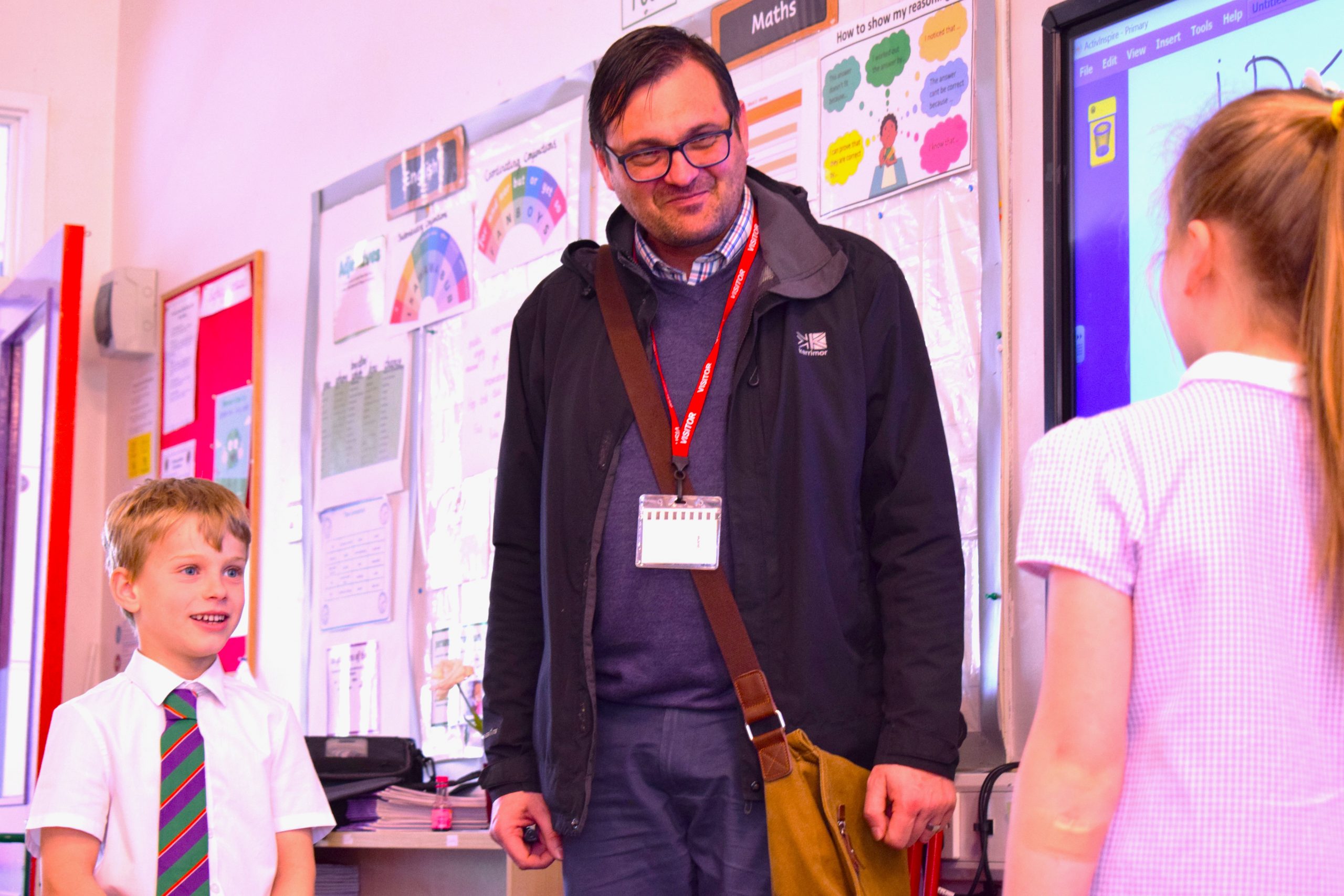
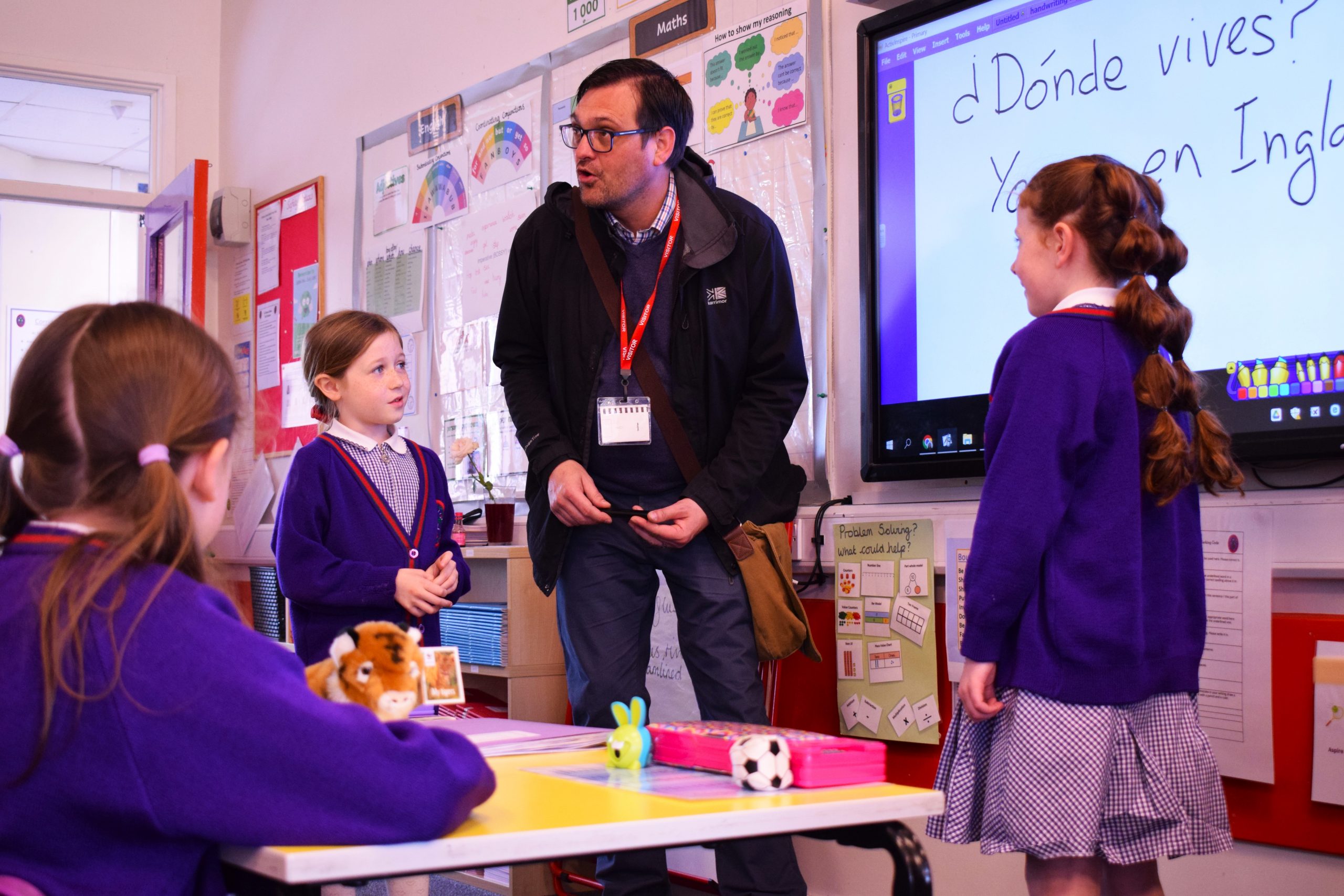
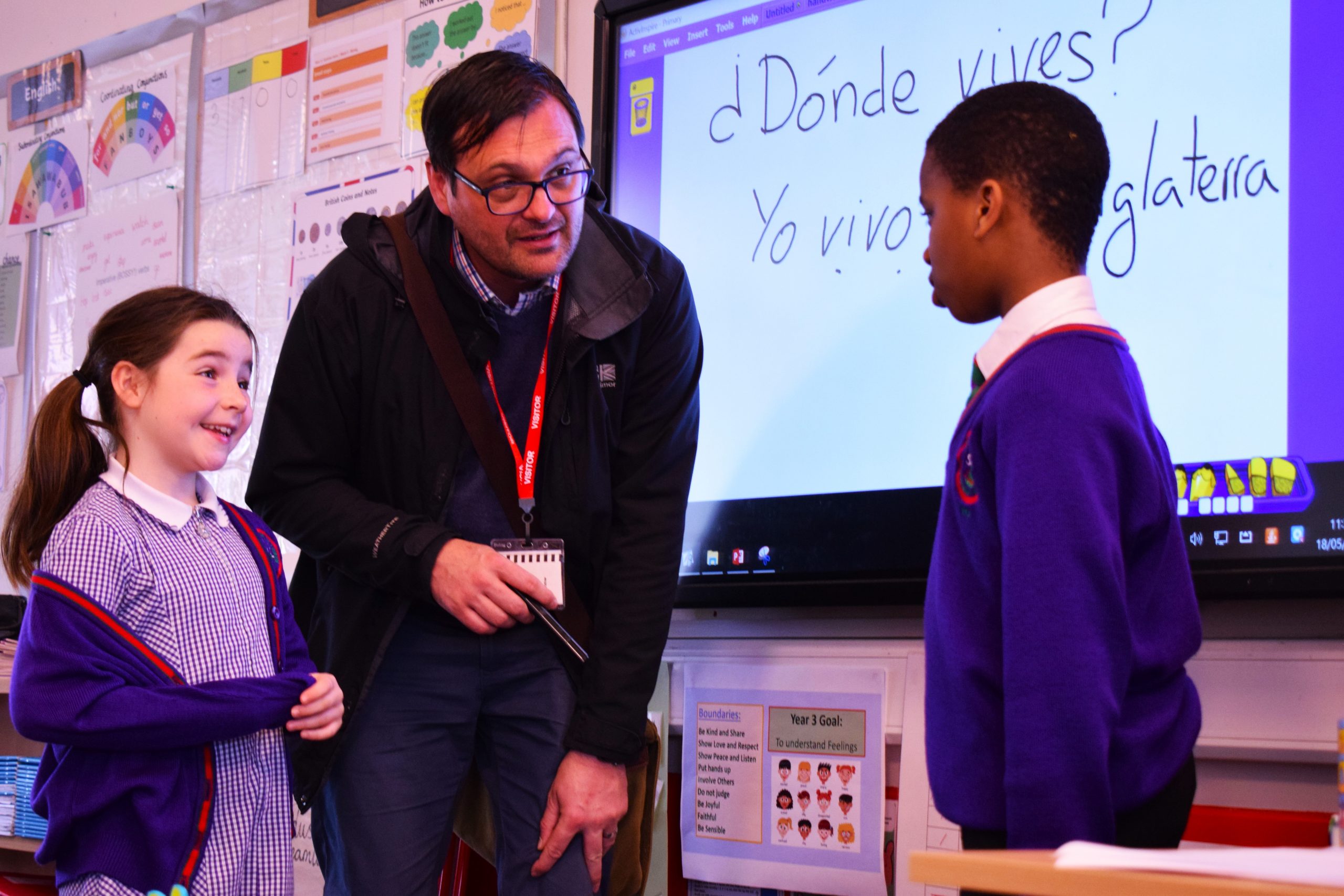
We will plan for structured development in the following areas:
Phonics
Curriculum plans will show clear progression in phonics including when to teach the difference between English sound – spelling correspondence and Spanish. There is planned practice and review of phonemes and how these link to graphemes.
Vocabulary
We will plan so that vocabulary development will be a core part for sequenced learning. We will; prioritise high frequency words, use topic based vocabulary and ensure learners can use these words across a range of contexts.
Grammar
Plans will have grammatical progression from simpler to more complex structures and concepts. We will identify grammatical features to be taught and revisit so pupils can see this being used in different contexts.
Documents and Downloads
